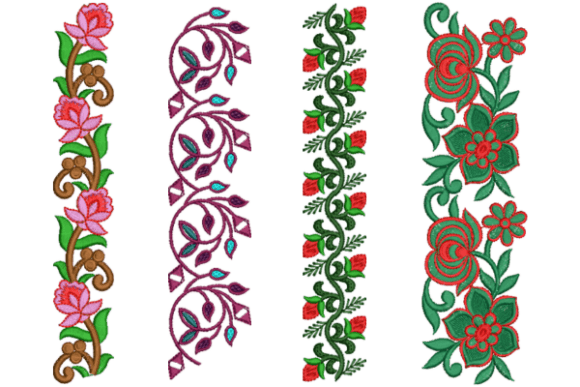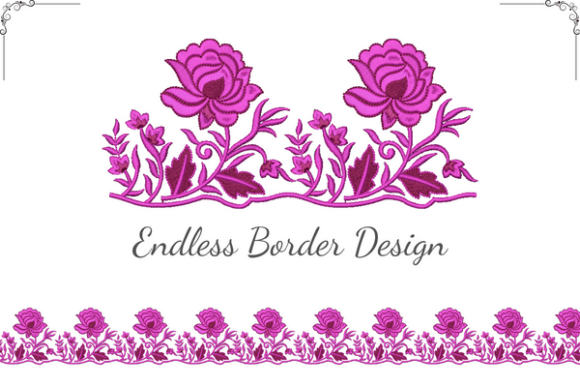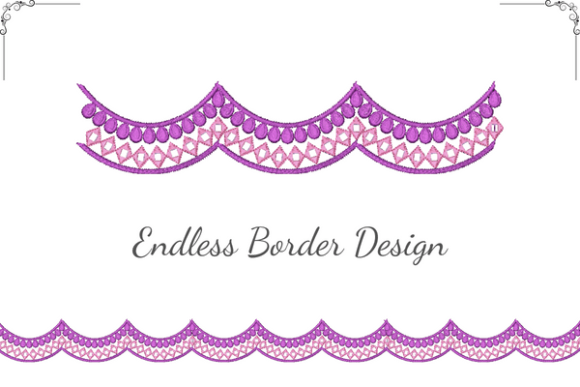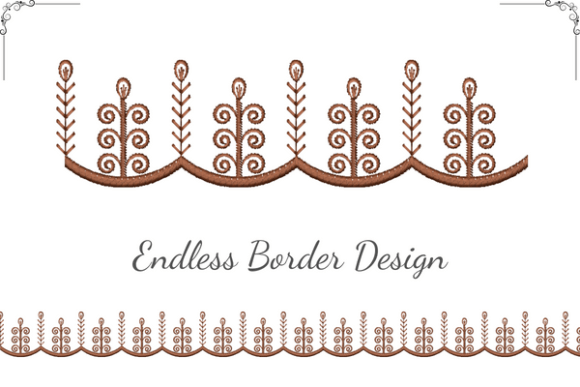
Reviewing Stylish Border for Craft Fair Success
As an embroidery designer who spends weekends hunched over a sewing machine and weekdays managing an online shop, I have learned that not every digital file translates into a best-selling physical product. There is a distinct difference between a design that looks pretty on a screen and one that stops a customer in their tracks at a crowded craft fair. Today, I am reviewing the Stylish Border design to determine its viability for handmade market products. This review focuses on real-world application, production practicality, and visual appeal for sellers looking to expand their inventory.
First Impressions and Visual Appeal
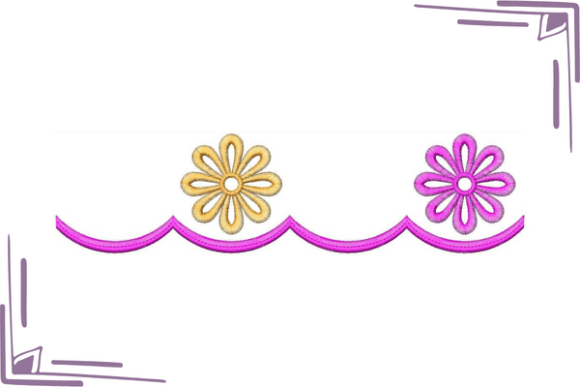
The title Stylish Border suggests a design that is versatile, modern, and decorative without being overly complex or text-heavy. In the world of handmade goods, "stylish" often implies a clean aesthetic that appeals to a broad audience, from farmhouse decor enthusiasts to modern minimalists. When evaluating this machine embroidery design, the primary draw is its potential as a framing element rather than a central focal point.
At first glance, a border design feels elegant and premium. It does not scream for attention like a large, busy graphic; instead, it whispers quality. This subtlety is crucial for booth displays where you want customers to lean in closer to inspect the detail. The description notes that it can be embroidered on any fabric, which immediately signals flexibility. For an Etsy seller or boutique maker, this versatility means you are not limited to one specific niche. You can adapt this embroidery file to match current seasonal trends, whether that is pastel florals for spring or deep jewel tones for autumn.
Product Application: Where Does It Shine?
To understand the selling potential of Stylish Border, we must look at how it interacts with common craft fair staples. I prepared a mental display table featuring tote bags, aprons, tea towels, patches, caps, small pouches, pillow covers, and giftable items. Here is how the design performs across these categories.
Kitchen Textiles and Home Decor
Tea towels and kitchen aprons are evergreen sellers. A border design works exceptionally well here because it frames the functional area of the item without interfering with usability. On a white cotton tea towel, a colorful border adds a pop of personality that makes the item feel like a gift rather than just a utility tool. Similarly, on a linen apron, the border can run along the hem or the bib, adding a touch of sophistication. The key here is thread colors; choosing high-contrast threads ensures the design remains visible and vibrant under bright market lights.
Apparel and Accessories
Tote bags and market bags benefit greatly from border designs. Instead of placing a single logo in the center, using Stylish Border around the edges creates a framed look that feels custom-made. This approach elevates the perceived value of a simple canvas bag. For caps, however, caution is required. Curved surfaces can distort straight lines. If the border contains fine details, it may lose clarity on the curved front panel of a hat. It is better suited for flat areas or as a subtle accent on the side seams of a tote.
Patches and Pouches
Embroidered patches are huge right now. A border design naturally lends itself to patch shapes, providing a neat edge that prevents fraying and adds structure. Small fabric pouches, often used for makeup or jewelry, also gain a polished finish with a border treatment. These items are low-cost add-ons that increase the average order value for your booth.
Production Practicality and Batch Selling
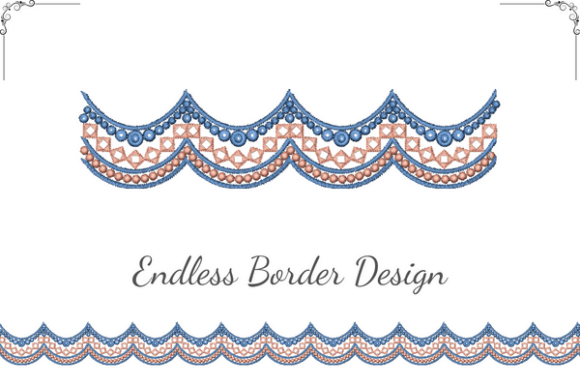
For a craft fair seller, efficiency is money. A design that takes too long to hoist, thread, and remove reduces your profit margin. Stylish Border appears to be a repeatable pattern, which is ideal for batch production. If the design allows for multi-hooping or has a manageable stitch count, you can produce multiple units quickly.
When photographing these items for your Etsy listings or social media, a border design photographs beautifully. It provides structure to the image and draws the eye across the entire product. Unlike a small, isolated motif that might get lost in a wide-angle shot, a border defines the shape of the object. This visual clarity helps online buyers understand the scale and placement of the embroidery before they purchase.
Careful-Use Notes and Technical Considerations
While the design sounds promising, there are technical pitfalls to avoid. As an experienced designer, I always advise testing before mass production. Here are critical factors to consider:
- Stitch Density: Check the stitch density of the border. If the stitches are too dense, the fabric may pucker, especially on lightweight materials like voile or thin cotton. Conversely, if the density is too low, the fabric may show through, giving a cheap appearance.
- Small Details: Evaluate the fineness of the lines. Tiny details often disappear when embroidered on textured fabrics like terry cloth towels or heavy denim. Ensure the design retains its integrity at the size you plan to produce.
- Fabric Texture: The interaction between the thread and the fabric texture is vital. On ribbed knits or nubby linens, a sharp, geometric border might look jagged. A softer, more organic border might blend better. Always test on your actual product fabric, not just scrap muslin.
- Hoop Size: Confirm the hoop size required. If the border is very wide, you may need a larger hoop or a specialized frame attachment. This can slow down your production speed if you are not equipped for large formats.
- Stabilizer Choice: Use the right stabilizer. For woven home decor items, cut-away stabilizer is often necessary to maintain shape over time. For temporary items like party favors, tear-away might suffice, but stability is key for longevity.
Designer’s Checklist for Success
Before committing to a full run of Stylish Border products, follow these steps to ensure quality:
- Test on Scrap Fabric: Never skip this step. Embroidery behaves differently on different materials.
- Check Thread Contrast: Ensure the thread stands out against your chosen fabric color. Low contrast can make the design look muddy.
- Review Spacing: Look at the spacing between elements in the border. Is it balanced? Does it feel cluttered or airy?
- Create Mockups: Make at least one real mockup. See how it looks finished, including trimming and pressing.
- Compare Fabric Colors: Test the design on light, dark, and neutral fabrics to see which sells best in your market.
- Confirm Licensing: Verify commercial licensing terms. Most digital files require a separate license for selling finished goods. Do not assume the purchase price covers commercial use.
Final Verdict
Stylish Border has strong potential as a craft fair product. Its versatility allows it to enhance a wide range of items, from tea towel embroidery to tote bag design. By focusing on high-quality execution, proper stabilizer use, and strategic product selection, you can turn this simple design into a standout piece at your booth. Remember, the goal is not just to sell an item, but to sell the feeling of handmade quality. A well-executed border design communicates care, precision, and style—exactly what today’s consumer is looking for in a handmade product.
If you are an Etsy seller or a small shop product creator, this design offers a low-risk, high-reward opportunity to diversify your inventory. Just remember to check the digital embroidery file specifications carefully and create a printable mockup to visualize the final result before cutting fabric. With careful planning, Stylish Border can become a staple in your commercial embroidery collection.