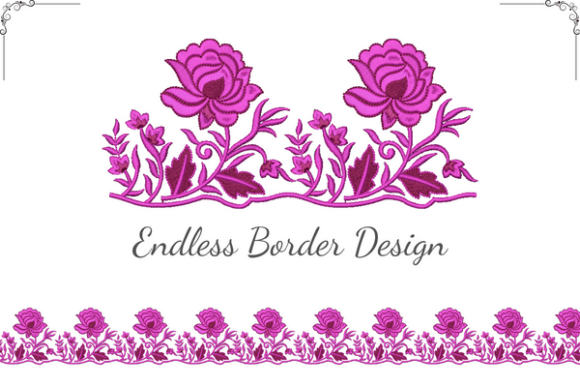
Flower with Cut Work Border Review
As an embroidery designer who has spent years turning digital concepts into tangible brand assets, I approach every new design file with a mix of creative enthusiasm and commercial skepticism. When Flower with Cut Work Border landed in my inbox, my immediate thought was not about home decor or simple monograms, but rather its potential for small business merchandise. In the world of branded apparel and custom goods, a design must do more than just look pretty; it must hold up under production, translate well across different fabrics, and elevate the perceived value of the final product.
This review evaluates Flower with Cut Work Border specifically through the lens of a professional creating small business merch, embroidered patches, and branded accessories. Whether you are running a boutique, a café, or an Etsy shop selling handmade goods, understanding the nuances of this machine embroidery design is crucial for maintaining quality control and brand consistency.
First Impressions: Visual Personality and Aesthetic Fit
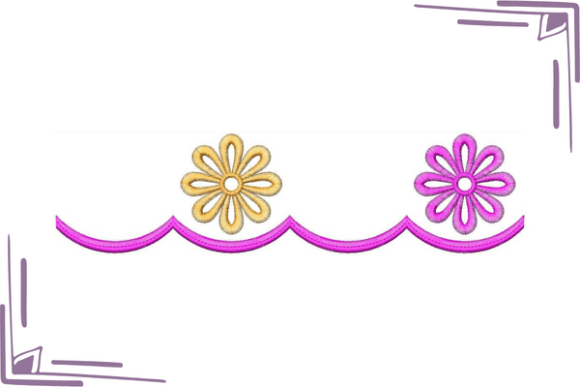
The title alone suggests a design that balances organic softness with structured elegance. "Flower" implies a natural, perhaps feminine or rustic charm, while "Cut Work Border" hints at a sophisticated, lace-like technique that mimics high-end textile craftsmanship. From a branding perspective, this combination works exceptionally well for businesses that want to project a sense of premium quality without appearing overly corporate or sterile.
Visually, this design feels elegant yet accessible. It is not as bold or aggressive as a streetwear graphic, nor is it as minimal as a simple logo lockup. Instead, it sits comfortably in the "handmade luxury" category. For a florist, a bakery, or a skincare brand, this aesthetic aligns perfectly with values of care, detail, and artisanal production. The border element adds a framing quality that makes it ideal for creating distinct visual boundaries on products, which helps guide the customer’s eye and creates a polished finished product.
Real-World Business Applications
One of the most common questions I receive from clients is, "Where can I actually use this?" The versatility of Flower with Cut Work Border lies in its adaptability as a standalone accent or a supporting element within a larger composition. Here is how it performs in real-world commercial scenarios:
- Embroidered Patches: This design is a strong candidate for iron-on or sew-on patches. The border provides a natural edge, making it easier to finish the patch cleanly. It works beautifully for staff uniforms in boutiques or as a badge of honor for team members in creative studios.
- Tote Bag Design: Canvas totes are a staple for Etsy branding. Placing this design on the front pocket or center chest of a tote bag adds a touch of sophistication that elevates the item from a basic promotional giveaway to a desirable accessory customers will actually want to carry.
- Apron Embroidery: For bakeries, cafes, or craft workshops, aprons are essential. The floral motif softens the utilitarian nature of workwear. When stitched onto the bib or pocket area, it signals to customers that attention to detail matters in your kitchen or workshop.
- Cap Embroidery: While complex borders can sometimes struggle on curved surfaces, using this design as a side-panel accent or a subtle rear-brim detail can create a unique, differentiated look for your team’s headwear.
- Product Packaging Accents: Beyond apparel, this embroidery file can be used on fabric hang tags, gift boxes, or even as a decorative element on reusable shopping bags, reinforcing your brand identity at every touchpoint.
Strategic Considerations and Potential Pitfalls
While the aesthetic appeal is high, a professional review must address technical limitations. Not every design suits every application, and Flower with Cut Work Border requires careful planning to avoid common embroidery errors.
Size and Detail Resolution: The "cut work" effect relies on negative space and precise stitching. If you attempt to scale this design down too small—particularly for tiny lapel pins or very small label accents—the details may blur together. It is best suited for medium-sized applications where the individual stitches of the border can breathe. Always test the design at its intended final size before committing to bulk production.
Fabric Compatibility: Embroidery interacts differently with various textiles. On stretchy knits or highly textured fabrics like raw denim, the stability of the design may be compromised. You must use the correct stabilizer to prevent puckering or distortion. Additionally, dark uniforms may require a heavy underlay or backing to ensure the thread colors pop, which could alter the delicate look of the cut-work effect.
Wash Durability: For items that will undergo frequent washing, such as chef coats or work shirts, ensure the design is anchored properly. Loose threads in intricate border designs can snag. A professional digitizer will add sufficient stitch density to secure the piece, but as the end-user, you should always inspect the back of the embroidery for clean finishing.
Impact on Brand Identity and Customer Trust
In the competitive landscape of handmade products and local services, visual consistency is key. Using a cohesive design language across your merchandise builds trust. Flower with Cut Work Border contributes to a brand image that is thoughtful, refined, and customer-focused.
When a customer sees this level of detail on a tote bag or a uniform, it subconsciously signals that you care about quality. It moves your brand away from "cheap promo gear" and toward "curated lifestyle brand." This distinction is vital for increasing perceived value and allowing you to charge premium prices for your goods. Furthermore, the organic nature of the flower motif fosters a connection with customers who appreciate natural, authentic aesthetics, enhancing buyer engagement and loyalty.
Practical Designer Notes for Production
Before you send this digital embroidery file to production, follow these essential steps to ensure success:
- Test in Black and White: Digitize or view the design in grayscale first. This helps you assess the balance of the design without being distracted by specific thread colors. If the shapes read clearly in black and white, they will likely embroider well.
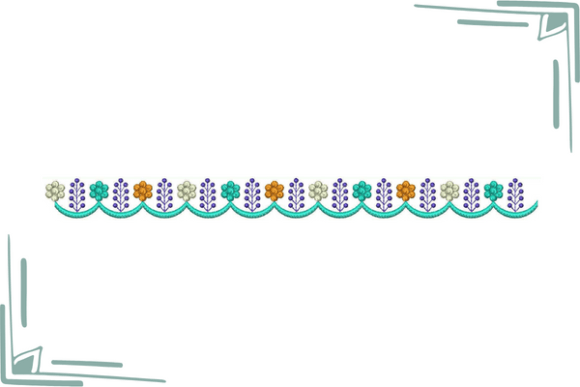
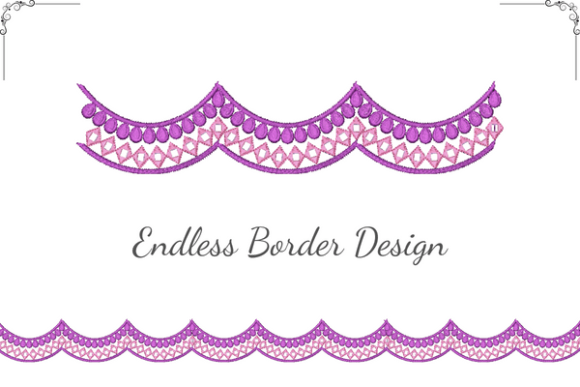
- Check Hoop Size Constraints: Verify that the design fits within your machine’s hoop size. If it is an endless border, plan how it will be segmented or if it requires a multi-hoop setup.
- Mockup for Approval: Create a printable mockup on the actual garment or accessory you intend to use. This allows you to visualize scale and placement relative to other design assets.
- Stabilizer Selection: Choose a stabilizer that matches the fabric weight. Heavy woven fabrics need sturdy tear-away or cut-away stabilizers, while light sheers need water-soluble options to prevent bulk.
- Commercial Licensing: Ensure you have the proper rights to use this design for commercial purposes. Check the license terms provided by the creator to avoid legal issues when selling finished products.
- Thread Contrast: Select thread colors that offer sufficient contrast against your fabric. Light flowers on white fabric may disappear, while dark flowers on black fabric may lose definition. Test color combinations rigorously.
Ultimately, Flower with Cut Work Border is a versatile and elegant addition to any design assets library. By approaching it with a strategic mindset—considering fabric, scale, and brand alignment—you can transform this simple embroidery design into a powerful tool for building a recognizable, professional, and beloved small business brand.