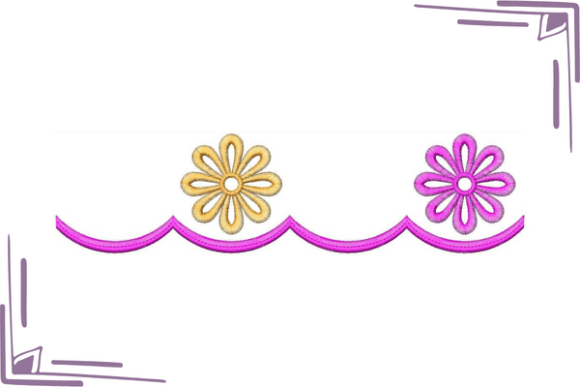
Flower Cut Work Border: A Designer’s Review for Personalized Gifts
As an embroidery designer who spends hours every week evaluating digital files, testing stitch density, and visualizing final products on various fabrics, I look for designs that offer more than just a pretty picture. I look for versatility, emotional resonance, and commercial viability. When I first encountered the Flower Cut Work Border on Creative Fabrica, it immediately caught my attention not just for its aesthetic appeal, but for its potential to elevate simple handmade items into meaningful keepsakes.
This review is written from the perspective of a professional looking at this design through the lens of real-world application. Whether you are an Etsy seller, a small business owner, or a crafter making gifts for loved ones, understanding how a design like the Flower Cut Work Border performs in practice is crucial. This border design is specifically categorized under Borders and Embroidery, signaling its intended use as an accent piece rather than a standalone focal point, which opens up a world of creative possibilities.
First Impressions: Emotional Appeal and Visual Charm
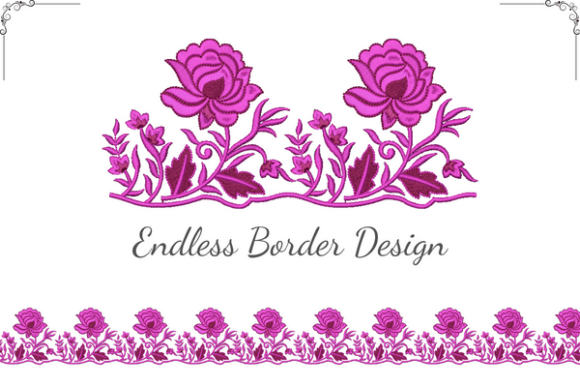
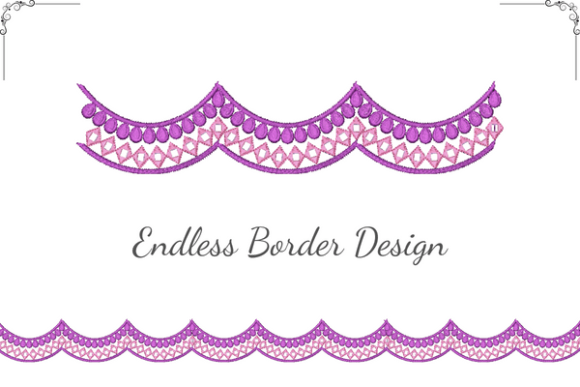
The moment you open the file for the Flower Cut Work Border, the design communicates a sense of delicate elegance. The "cut work" style implies a lace-like effect, where negative space plays as important a role as the stitching itself. Visually, it feels sweet yet sophisticated. It strikes a balance between being playful enough for baby items and refined enough for wedding decor.
For a designer, the charm lies in its adaptability. It doesn’t scream for attention; instead, it whispers quality. This subtlety is exactly what makes it a strong candidate for high-end personalized gifts. The floral motifs are soft and organic, avoiding harsh geometric lines that can sometimes feel dated or too industrial. It feels cozy, romantic, and classic—a timeless choice that won’t look out of place in a nursery or a bridal suite five years from now.
Real-World Applications: From Baby Blankets to Wedding Towels
The true test of any machine embroidery design is how well it translates into a finished product. Here is how I see the Flower Cut Work Border fitting into specific project categories:
- Baby Embroidery and Nursery Decor: This border is perfect for framing the edges of a baby blanket or a quilted throw. Because cut work designs often mimic lace, they pair beautifully with soft cottons and muslins commonly used in baby products. It adds a touch of heirloom quality to modern nursery items.
- Wedding Gifts and Bridal Showers: Imagine embroidered towels featuring this border for a bride’s bathroom set, or pillow covers for the newlyweds. The floral theme is inherently romantic, making it an ideal choice for wedding-related merchandise. It elevates a standard towel into a cherished memory.
- Personalized Home Decor: For custom gift boxes, aprons, or tote bags, this border provides a polished finish. On an apron, running the Flower Cut Work Border along the hem or pocket edge adds a professional touch that distinguishes your handmade product from mass-produced alternatives.
- Etsy Listings and Craft Fairs: As a small shop product, having a versatile border design allows you to create multiple variations without needing a massive library of unique centerpieces. You can change the thread colors or fabric base, but keep the reliable Flower Cut Work Border structure, ensuring consistency in your brand’s aesthetic.
Practical Concerns for the Embroidery Crafter
While the design looks beautiful on screen, practical execution requires careful planning. Here are some considerations based on hands-on judgment:
Fabric Texture and Stability: Cut work designs rely on clean lines and defined spaces. If you are embroidering on a textured fabric like a terry cloth towel, ensure the fabric is stable enough to prevent distortion. Conversely, on stretchy baby clothes, proper stabilizer choice is non-negotiable to maintain the integrity of the flower shapes.
Thread Color Contrast: The effectiveness of a cut work design heavily depends on contrast. If you are using dark fabric, light thread colors will make the flowers pop, enhancing the lace illusion. On light fabrics, consider using tonal threads or slightly darker shades to define the details. Always compare thread colors against your actual fabric swatch before committing to a full production run.
Dense Details and Stitch Density: While the description highlights the design's beauty, it is essential to check the stitch density. Too much density can make a lightweight fabric stiff, ruining the drape of a blanket or pillow cover. If the design includes dense satin stitches, you may need a cut-away stabilizer to support it during washing.
Hoop Size and Placement: Before starting, confirm the hoop size required by the file. Ensure your chosen product—whether it’s a large pillow cover or a narrow apron strap—fits within the printable mockup dimensions. Misjudging placement can lead to wasted materials and frustrated customers.
Building Trust Through Quality Presentation
In the world of handmade goods, perceived quality drives sales. A well-executed Flower Cut Work Border signals to the buyer that care was taken in the creation process. When customers receive a gift with crisp, clean embroidery that hasn’t puckered or distorted, their trust in your brand increases.
This design also enhances product photography. The intricate details of the flowers catch the light beautifully, allowing you to showcase close-up shots that highlight the craftsmanship. These images are powerful tools for engagement, showing potential buyers the tangible value of your custom embroidery services.
Furthermore, the emotional value of a personalized gift is amplified when the design feels intentional and high-quality. A border that looks rushed or poorly stitched can detract from the sentiment behind the gift. By ensuring your stitch-out is flawless, you honor the occasion, whether it’s a birth, a wedding, or a holiday celebration.
Essential Pre-Production Checklist
To ensure success with the Flower Cut Work Border, follow these practical steps:
- Create a Test Stitch-Out: Never skip this step. Stitch the design on a scrap piece of the exact fabric you plan to use for the final product.
- Check Small Details: Zoom in on your test piece. Are the tiny flower centers clear? Is the cut work effect distinct, or does it look muddy?
- Review Stabilizer Choice: Match your stabilizer to the fabric weight. Light fabrics need light stabilizers; heavy towels need robust backing.
- Confirm Licensing: Check the product details and licensing terms on Creative Fabrica. Understand what you are allowed to do with the digital embroidery file, especially if you plan to sell the finished product commercially.
- Test Washing Durability: Wash and dry your test piece to see how the threads hold up. Does the fabric shrink? Do the stitches loosen? Adjust your technique accordingly.
The Flower Cut Work Border is more than just a decorative element; it is a tool for creating connection. By paying attention to the details—from thread selection to stabilizer choice—you transform a simple digital file into a treasured physical object. For designers and sellers alike, this design offers a reliable, elegant solution for meeting the demand for meaningful, handmade products.