Flower Border Set Review
As an embroidery designer who spends weekends hunched over a sewing machine at craft fairs, I have learned that the difference between a design that sits on a shelf and one that sells out by noon often comes down to visual impact and versatility. When I first reviewed the Flower Border Set, my immediate thought was not about technical stitch counts, but rather: "How does this look on a tote bag?" or "Will this pop on a kitchen towel?" In the world of handmade products, aesthetics drive impulse buys, and practicality drives profit margins. This review breaks down how this machine embroidery design performs in the real world of booth displays and online listings.
First Impressions and Visual Appeal
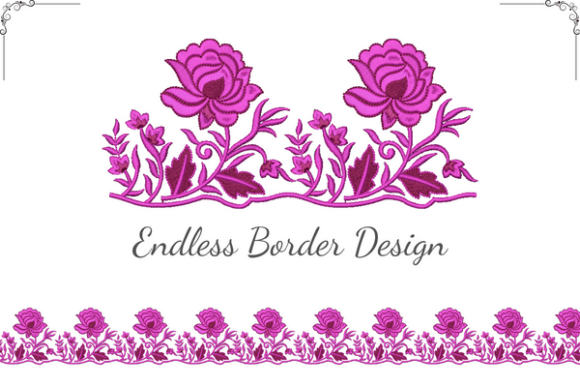
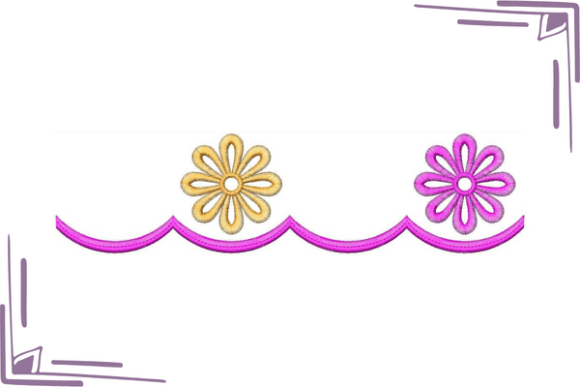
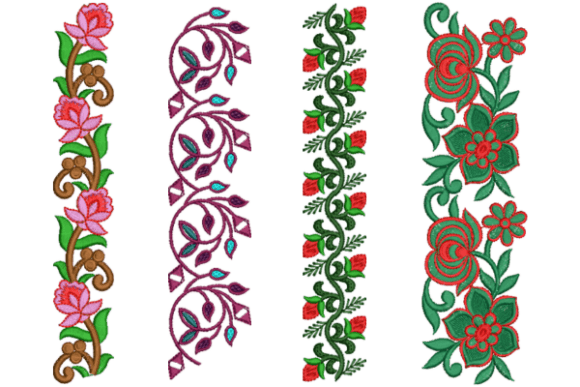
The title suggests a classic, decorative element, and the description promises a colorful look suitable for various home decor items. From a design perspective, borders are tricky. They must frame a product without overwhelming it. The Flower Border Set appears to strike a balance between being bold enough to catch the eye from three feet away (the average distance a browser stands at a craft fair) and delicate enough to feel premium rather than mass-produced.
When evaluating any embroidery file for commercial use, I look for clarity. Does the design feel busy? Is there enough negative space to let the fabric breathe? Based on the concept of adding lovely embroideries to pillows and towels, this set likely offers a soft, feminine, or perhaps rustic charm that fits well with current trends in farmhouse and boutique aesthetics. It feels decorative and inviting, which is crucial for attracting customers who are looking for gifts or personal touches for their homes.
Product Versatility: Where It Shines
The true test of a craft fair product is its adaptability. A design that only works on one item limits your revenue potential. Here is how the Flower Border Set translates across different mediums:
- Tote Bags and Market Bags: This is perhaps the strongest application. A floral border running along the bottom hem or up the side seams of a canvas tote creates an instant upgrade from a plain grocery bag to a fashion statement. It photographs beautifully for Etsy seller listings because the contrast between the sturdy fabric and the intricate thread work is visually striking.
- Kitchen Towels and Aprons: For the home cook, these designs add a splash of color. Embroidering the border on the cuff of an apron or the top edge of a tea towel elevates the item from a basic utility to a giftable handmade product. These items sell exceptionally well during holiday seasons because they feel personal and useful.
- Pillow Covers and Home Decor: Borders are perfect for framing throw pillows. If you are selling a set of two or four, this design allows for consistent branding across the collection. It adds texture and depth that flat prints cannot achieve, justifying a higher price point for commercial embroidery enthusiasts.
- Caps and Patches: While borders are typically linear, they can be adapted for curved surfaces like caps if the design allows for slight distortion or if placed strategically on the brim or back panel. However, caution is advised here; see the technical notes below.
Production Practicality and Batch Efficiency
For small business owners, time is money. A digital embroidery file that takes twenty minutes to hoop and stabilize for every single unit will kill your profit margin. The Flower Border Set seems designed for efficiency. If the design is clean and requires minimal trimming, it becomes ideal for batch production. You can prep multiple hoops at once, load them into the machine, and let it run while you handle customer interactions at your booth.
Furthermore, the design’s nature as a border makes it easy to integrate into existing workflows. You do not need to reinvent the wheel for every new product. A single embroidery design can be applied to ten different blank products, allowing you to diversify your inventory without needing ten different digital assets. This consistency strengthens your brand identity, making your booth look professional and curated.
Technical Considerations and Careful Use
Even the most beautiful design can fail if the execution is poor. As an experienced designer, I urge you to pay attention to the following technical details before committing to mass production:
- Stitch Density: Check the density of the flower petals and leaves. If the stitches are too dense, the fabric may pucker, especially on lightweight cottons used for tea towels. If they are too sparse, the design may look thin and cheap under bright craft fair lights. Always inspect the stitch density on a scrap piece of your actual production fabric.
- Thread Contrast: The description mentions a "colorful look." Ensure you choose thread colors that contrast well with your base fabric. On dark fabrics, light threads might get lost unless you use a high-quality underlay or a stabilizer that supports the thread lift. On white fabrics, pastel threads might lack definition.
- Hoop Size and Fabric Texture: Confirm the required hoop size for the full border length. If your border is longer than your standard hoop, you will need to rehoop, which increases production time and risks alignment errors. Also, consider the fabric texture; highly textured fabrics like terry cloth (towels) can hide fine details, so ensure the design has enough boldness to remain visible.
- Small Details: Avoid designs with tiny lettering or very fine lines if you plan to digitize or resize them. Small details often lose clarity when embroidered, turning into muddy blobs. Stick to the original sizing or scale up slightly for better visibility.
Marketing and Display Strategy
How you present the finished product is just as important as the stitching itself. When creating printable mockups for your online store, showcase the border in context. Show a close-up of the stitch quality to prove craftsmanship, but also show the whole item being used. A photo of someone holding a tote bag with the floral border, or a table setting with embroidered napkins, helps the buyer visualize ownership.
At physical craft fairs, create a display that highlights the variety. Hang a few aprons, stack some pillows, and lay out tea towels. Let customers touch the fabric. The tactile experience of embroidery—feeling the raised stitches—is a powerful sales tool. If the Flower Border Set holds up well to touch and looks crisp in person, customers are more likely to trust the quality and make a purchase.
Final Verdict
The Flower Border Set appears to be a versatile, aesthetically pleasing asset for any small shop product line. Its strength lies in its ability to transform simple blanks into premium-looking goods suitable for gifts, home decor, and everyday use. By paying close attention to fabric choice, thread contrast, and stabilization, you can maximize its appeal.
Before launching your collection, remember to test the design on scrap fabric, confirm your stabilizer choices, and verify that you have the necessary commercial licensing to sell finished items. With careful preparation, this design has the potential to become a bestseller in your booth and a staple in your design assets library. Happy stitching!