Cut Work Border for Home Decor Review
As an embroidery designer who spends hours every day digitizing and testing designs, I am always on the lookout for machine embroidery design files that offer genuine versatility. When browsing through Creative Fabrica embroidery collections, it is easy to get lost in hundreds of similar motifs. However, a specific file titled Cut Work Border for Home Decor caught my attention not just for its name, but for its potential application in real-world commercial projects.
I recently evaluated this embroidery file with a specific goal in mind: could this border design elevate a standard handmade product into something that feels premium and bespoke? Below is my honest review based on practical considerations for custom apparel, home goods, and commercial embroidery businesses.
First Impressions and Visual Appeal
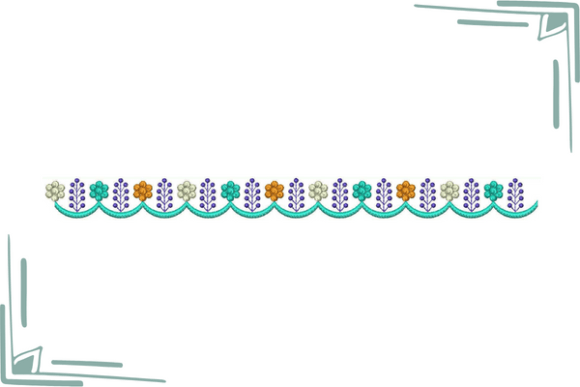
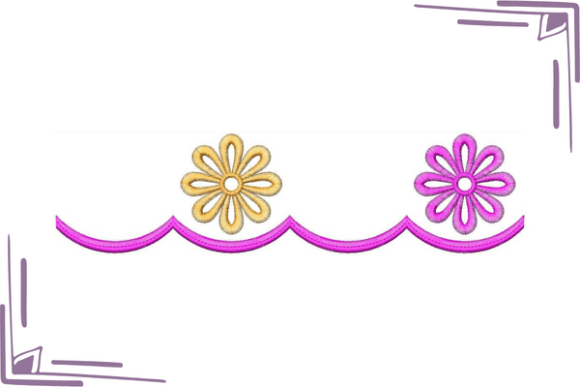
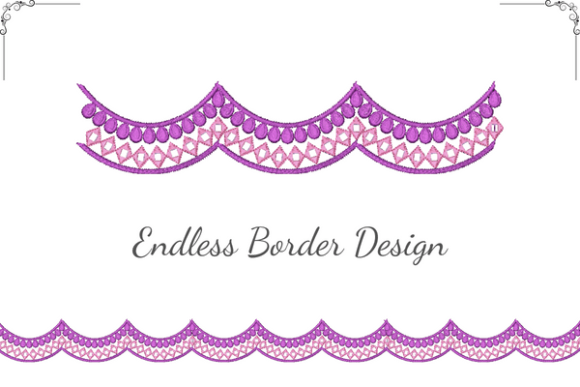
The moment you preview this digital embroidery file, the visual mood stands out. The description highlights a "beautiful flower embroidery" intended to add a colorful look to various items. From a design perspective, borders are often treated as secondary elements, but this piece has enough personality to act as a focal point or a sophisticated framing device.
The term "Cut Work" in the title suggests a delicate, lace-like aesthetic. In machine embroidery, this usually implies a combination of open spaces and fine stitching, creating a sense of airiness. For designers looking to create personalized gift items, this kind of detail adds a layer of perceived value that simple solid fills cannot achieve. It feels romantic, vintage-inspired, and highly decorative, making it naturally suited for soft furnishings and gentle apparel.
Project Versatility: Where This Design Fits
One of the biggest challenges in the handmade market is finding assets that work across multiple categories. This border design appears to be exceptionally adaptable. Here is how I see it performing in various product lines:
- Home Decor Pillows: Borders are perfect for pillow shams or euro shams. Framing a central monogram or logo with this floral edge creates a cohesive, boutique-style look.
- Kitchen Towels and Aprons: These are high-volume sellers on platforms like Etsy. A floral border at the top or bottom hem adds charm without overwhelming the utility of the item.
- Baby Blankets and Nursery Decor: The delicate nature of cut-work styles pairs well with nursery themes. It offers a softer alternative to bold geometric patterns.
- Tote Bag Design: While sturdy canvas can handle heavy stitches, a lighter border design can provide a feminine touch to canvas totes, distinguishing them from mass-produced alternatives.
- Sweatshirt Embroidery: Placing a border along the cuffs or the bottom hem of a sweatshirt is a trendy technique. It adds structure and detail to casual wear.
- Embroidered Patch: The self-contained nature of many border designs makes them excellent candidates for patches, which are currently very popular among crafters.
Apparel and Boutique Merchandise
For those selling custom apparel, consistency is key. This design can help maintain brand identity across different products. Whether you are creating a line of baby clothes or a collection of kitchen linens, using the same border motif ties the collection together visually. It enhances product photography by adding texture and depth to flat-lay images, which can significantly boost customer engagement online.
Practical Embroidery Considerations
While the visual appeal is strong, any experienced designer knows that the devil is in the details. Before committing this design to production, there are several technical factors to evaluate.
Hoop Size and Stitch Density
Because this is a border design, it likely spans a linear distance. You must check the hoop size requirements carefully. If the design exceeds your machine’s hoop dimensions, you will need to perform re-hooping, which can introduce alignment issues. Additionally, pay close attention to the stitch density. Cut-work styles often rely on sparse stitching to create negative space. If the density is too low on certain fabrics, the fabric may pucker or the design may lose its shape. Conversely, if it is too dense, it might defeat the purpose of the airy "cut work" aesthetic.
Fabric Compatibility
This design is described as working with "any fabric," but in practice, results vary. On stretchy fabric like jersey used for t-shirts or sweatshirts, you must use a proper stabilizer to prevent distortion. On textured fabrics, small details might get lost. It is crucial to test on scrap fabric that matches the final product’s material weight and texture.
Thread Colors and Contrast
The product description mentions a "colorful look." To achieve this, thread selection is vital. On dark fabric, light threads may require an underlay stitch or extra passes to appear vibrant. Always compare light and dark fabric mockups before finalizing your production run. Using the wrong thread color can make delicate details disappear entirely.
Quality Control and Testing Protocol
To ensure your finished product meets professional standards, I recommend following this testing protocol:
- Test Stitch-Out: Always embroider a test version on scrap fabric before running a full order.
- Inspect Small Details: Zoom in on the digital preview and then examine the physical stitch-out for any tangled threads or missed jumps.
- Check Stabilizer Usage: Ensure you are using the correct type of stabilizer (cut-away vs. tear-away) for the fabric being used.
- Review File Details: Confirm the file formats available on the Creative Fabrica product page to ensure compatibility with your embroidery software.
Commercial Licensing and Value
For Etsy sellers and small business owners, understanding the licensing terms is non-negotiable. While this design is great for personal use, selling finished items requires a clear commercial license. Please verify the specific terms on the Creative Fabrica product page. Some subscriptions allow unlimited commercial use of finished goods, while others may have restrictions. Ignoring these details can lead to legal issues.
When done correctly, using a high-quality design asset like this border can increase the perceived value of your handmade product. Customers are willing to pay more for items that look professionally finished. The intricate nature of a cut-work style border signals care and attention to detail, which builds buyer trust and encourages repeat purchases.
Final Thoughts
Cut Work Border for Home Decor is a versatile addition to any embroidery library. Its ability to transition seamlessly from kitchen towels to nursery decor makes it a cost-effective investment for designers looking to diversify their inventory. By paying attention to stitch density, fabric choice, and proper stabilization, you can leverage this design to create stunning, marketable products.
If you are looking to add a touch of elegance and color to your apparel decorator services or handmade shop, this border is worth considering. Just remember to test thoroughly and respect the licensing guidelines to protect your business.