Beach Scene Embroidery Design Review
As a designer who spends half her life staring at stitch density charts and the other half troubleshooting tension issues, I don’t just look at an embroidery file; I visualize the finished product before I even load it into the machine. When Beach Scene landed in my inbox, I didn’t see a simple graphic. I saw potential for a summer collection, a personalized gift line, or a boutique-ready tote bag. But does it hold up under the scrutiny of real-world production? Let’s break down how this design performs when you move from screen to fabric.
First Impressions: Mood and Composition
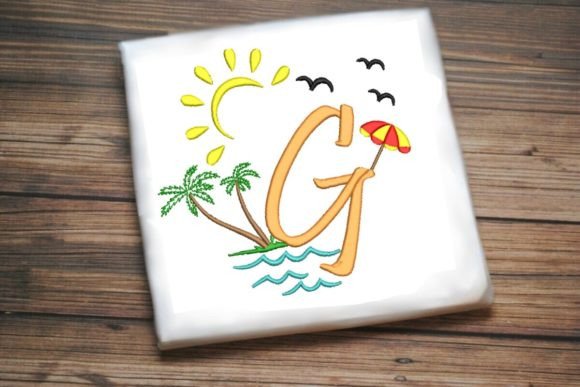
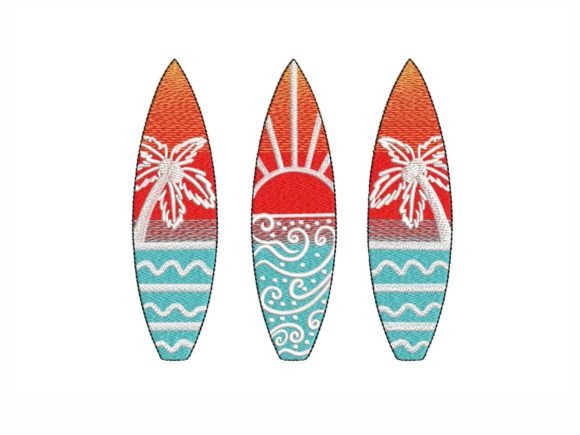
The immediate appeal of Beach Scene is its narrative clarity. It isn’t just abstract shapes; it tells a story of palm trees, dolphins, seagulls, and ocean waves. For an embroiderer, composition is everything. You want elements that flow naturally with the grain of the fabric and the limitations of the hoop. This design feels balanced. The verticality of the palm trees provides a nice anchor against the horizontal sweep of the waves, creating a layout that feels stable yet dynamic.
Visually, it evokes a specific mood: relaxed, sunny, and inviting. This is crucial for summer collections where buyers are looking for items that make them feel good. Whether you are designing for a craft fair booth or an online Etsy shop, the emotional resonance of the imagery drives engagement. It doesn’t scream for attention like neon graphics might; instead, it offers a pleasant, recognizable aesthetic that appeals to a broad audience.
Real-World Application: Where This Design Shines
I often think about Beach Scene in the context of custom apparel and accessories. Imagine preparing a batch of white canvas tote bag design options for a beach vacation package. The contrast of dark threads against natural cotton would make the details pop. Or consider a soft grey sweatshirt for a coastal-themed nursery decor item. The design’s versatility allows it to work as a sweatshirt embroidery centerpiece on the chest or back, depending on the scale.
- Personalized Gifts: This is ideal for baby embroidery projects, such as monogrammed muslin blankets or bibs. The gentle theme fits perfectly into a nursery setting without being overly childish.
- Small Business Merchandise: If you run a craft business, this design translates well to aprons and kitchen towels. A "Beach House" vibe is timeless for home goods sellers.
- Commercial Embroidery: For custom apparel decorators, this works beautifully on polo shirts or caps for local surf shops or rental businesses.
The key here is adaptability. A skilled maker can adjust the hoop size and thread colors to match their brand identity while keeping the core integrity of the embroidery project intact.
Technical Performance and Stitch Quality
When evaluating any machine embroidery design, I look closely at the stitch types. Beach Scene appears to utilize a mix of fill stitches for the wave textures and satin stitches for defined outlines like the palm fronds. This combination is generally safe for most standard machines, provided the density is managed correctly.
However, the presence of small details—like the beaks of seagulls or the fins of dolphins—requires careful attention. In a digital embroidery file, these might look crisp on a monitor, but on fabric, they can become muddy if the stitch count is too high for the available space. I recommend testing the stitch density on scrap fabric first. If the fabric pucks or the needle breaks, the design may need digitizing adjustments, such as reducing the number of passes in dense areas.
Thread color selection is also paramount. To achieve the best visual impact, ensure you have enough contrast between the background fabric and the primary thread colors. On light fabrics, pastel blues and greens will create a soft, airy look. On darker backgrounds, you may need to use a stabilizer or underlay to prevent the threads from sinking into the weave, which can dull the vibrancy of the finished product.
Stabilizer and Fabric Considerations
No discussion of practical application is complete without mentioning support materials. For stretchy fabrics like swimsuits or jersey t-shirts, a cut-away stabilizer is non-negotiable to prevent distortion over time. For woven fabrics like canvas totes or linen tea towels, a tear-away stabilizer might suffice for lighter designs, but given the wave elements, a fusible web or heavy-duty tear-away could provide better stability during stitching.
If you are applying this to a curved surface, such as a cap, you must ensure the design is digitized specifically for curvature. A flat design placed on a curved brim will result in uneven stitching and potential thread breaks. Always check if the file includes corner-to-corner registration marks if you are working with multi-hoop sequences.
Pitfalls to Avoid
While Beach Scene is charming, it is not suitable for every scenario. Here is where you should exercise caution:
- Small Hoop Sizes: If you attempt to stitch this in a very small hoop (under 4 inches), the fine details may disappear. The dolphins and birds might merge into indistinct blobs. Stick to medium to large hoops to preserve the artistic intent.
- Textured Fabrics: Avoid using this on heavily textured materials like chunky knits or bouclé. The needle cannot penetrate evenly, and the design will lose its definition. Smooth surfaces yield the best results.
- High-Wear Areas: While great for decorative purposes, placing dense embroidery directly on the cuff of a sweatshirt or the heel of a sock might cause discomfort or premature wear. Keep the design on flatter, less friction-prone areas.
Final Verdict for Makers and Sellers
For Etsy sellers and small shop product creators, Beach Scene offers a strong foundation for a seasonal collection. It has the "giftability" factor—it looks thoughtful, handmade, and appropriate for various occasions, from birthdays to holidays. The design supports both personal use and commercial applications, making it a versatile asset for your design assets library.
To maximize success, treat the pre-production phase seriously. Create printable mockups to show customers how the design looks on different products. Test the actual stitch-out to confirm that the thread colors translate well from screen to spool. Verify your licensing terms if you plan to sell the finished product commercially; some files are restricted to personal use only.
Ultimately, Beach Scene is a solid choice for anyone looking to add a touch of coastal charm to their inventory. It balances detail with readability, emotion with aesthetics, and complexity with wearability. If you approach it with the right tools and techniques, it will serve you well in your next embroidery project.