Rhino Embroidery Design Review for Holiday Collections
As an experienced embroidery designer, I spend a significant portion of my time evaluating new digital files to determine their viability for seasonal product lines. The holiday season is not just about Christmas; it is a sprawling window of opportunity that encompasses fall harvests, Thanksgiving gatherings, winter celebrations, and spring baby showers. When I received the Rhino design file from the Baby Animals category within the broader Embroidery genre, my first instinct was to assess its versatility. Does it have the emotional resonance to drive sales? Can it withstand the practical demands of mass production or small-batch handmade goods? After a thorough review of its structural integrity and aesthetic potential, here is my professional assessment for sellers looking to integrate this piece into their upcoming inventory.
First Impressions: Emotional Tone and Aesthetic Appeal
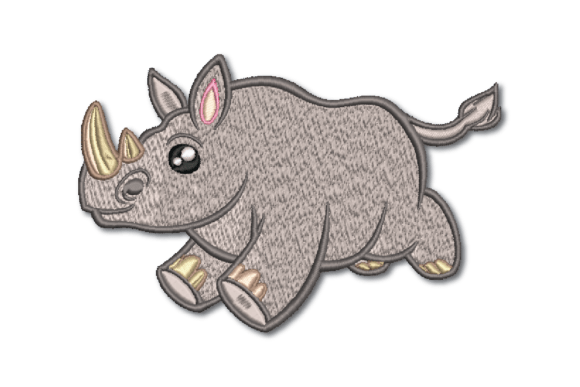
The immediate visual impact of Rhino is one of playful charm wrapped in a sturdy, endearing silhouette. In the context of seasonal embroidery, we often look for designs that evoke nostalgia, warmth, or whimsy. This design hits that sweet spot perfectly. It feels inherently cozy, making it an excellent candidate for items that are meant to be hugged or held close. For holiday embroidery campaigns, the "Baby Animals" theme taps into a universal love for cuteness that transcends specific holidays, allowing you to market this design year-round while still leveraging peak shopping seasons.
The decorative style strikes a balance between modern simplicity and traditional detail. It is not overly intricate, which is a strategic advantage. In a world where consumers are drawn to clean, recognizable visuals on social media platforms like Instagram and Pinterest, Rhino offers high visual recognition even at thumbnail size. It feels premium yet accessible, suggesting that the finished product will appeal to both luxury buyers seeking unique gifts and budget-conscious shoppers looking for affordable treats.
Strategic Applications for Seasonal Product Lines
When planning a small shop product lineup for the holidays, diversification is key. Rhino is remarkably adaptable across various mediums. Here is how I envision this machine embroidery design performing in real-world selling situations:
- Sweatshirt Embroidery: Placed over the heart or centered on the chest, this design adds a touch of softness to heavyweight cotton blends. It works exceptionally well for family matching sets during the winter months, creating a sense of unity and tradition.
- Tote Bag Design: A sturdy canvas tote featuring Rhino is an ideal gift for teachers, librarians, or anyone who appreciates cute animal motifs. It serves as a functional item that keeps your brand visible throughout the day.
- Kitchen Towel Embroidery: During autumn and Thanksgiving, kitchen linens are hot sellers. The durability of this design ensures it holds up against frequent washing, making it a practical handmade gift for new homeowners or hosts.
- Pillow Cover: For home decor enthusiasts, embroidered pillow covers offer a low-cost entry point for customers wanting to refresh their living spaces. Rhino brings a focal point to neutral sofas or beds without overwhelming the room’s aesthetic.
- Embrdoidered Patch: Consider offering this as a sew-on patch for denim jackets or beanies. Patches allow customers to personalize their own garments, adding a layer of engagement and customization to your Etsy seller listings.
- Applique and Apparel Decor: On aprons or table linens, the design adds a rustic, farmhouse charm that aligns perfectly with fall and winter interior trends.
In terms of marketing, this design is highly photogenic. Creating a printable mockup or a digital preview for your online store will be straightforward. The clean lines of the rhino make it easy to pair with festive typography or seasonal elements like pinecones, snowflakes, or pumpkins in your graphic designs, enhancing the overall commercial embroidery appeal.
Technical Considerations and Production Warnings
While the aesthetic potential is high, any responsible designer must address the technical realities of digitization and stitching. The provided description notes: "The perfect way to decorate your beautiful embroidery projects. Any alteration on the file s may affect the output. Remember to always run a sample of the file s on the test fabric before stitching on." This warning is critical and should be heeded strictly.
Here are specific areas where caution is required:
- Hoop Size Constraints: Ensure the design fits comfortably within your standard hoop sizes. Attempting to stitch a large design on a small hoop can lead to tension issues or misalignment. If the design is intended for larger items, verify the maximum dimensions before listing it.
- Stitch Density and Fabric Texture: High-density stitches can pucker lightweight fabrics. Always check the stitch density of the file. If you plan to use this on delicate baby items or thin linen, you may need to adjust the stabilizer choice. Conversely, thick towels require a robust backing to support the weight of the threads.
- Thread Colors and Contrast: The visual success of Rhino depends heavily on contrast. Test thread colors on both light and dark fabrics. Metallic threads might add a festive sparkle for holiday ornaments, but they can be brittle and prone to breaking if the underlay is insufficient. Avoid using metallics on stretchy garments unless you are certain the machine can handle the tension variations.
- Small Details and Lettering: If the design includes tiny text or fine details, ensure these elements remain legible after stitching. Small lettering often gets lost in the texture of fleece or terry cloth. If you are targeting the personalized gift market, clarity is paramount for customer satisfaction.
- Washability and Durability: For items that will undergo repeated washing, such as kitchen towel embroidery or baby clothes, proper stabilization is non-negotiable. Use a cut-away stabilizer for permanent attachments to prevent distortion over time.
Impact on Buyer Emotion and Brand Trust
Choosing the right design is not just about aesthetics; it is about building trust with your audience. When a customer purchases a digital embroidery file or a finished product, they are investing in an experience. A well-executed Rhino design signals professionalism. It shows that you care about the quality of the final result.
During holiday shopping periods, buyers are emotionally driven. They want gifts that feel thoughtful and special. A design that evokes joy, comfort, or nostalgia has a higher perceived value. By ensuring that every stitch of Rhino is flawless, you reinforce your brand’s reputation for quality. This leads to positive reviews, repeat customers, and word-of-mouth referrals—essential components for any Etsy seller or independent craft business.
Furthermore, the versatility of this design allows for cohesive branding. You can create a unified collection by pairing Rhino with complementary patterns or fonts. Consistency in visual language helps customers recognize your products instantly in a crowded marketplace. Whether you are selling physical goods or digital downloads, maintaining a consistent aesthetic builds long-term loyalty.
Final Recommendations for Sellers
Before adding Rhino to your active inventory, take the following steps to ensure success:
- Test Rigorously: Stitch the design on at least three different fabric types (e.g., cotton, polyester blend, and fleece) to evaluate how it performs on each. Check for puckering, thread breaks, and color vibrancy.
- Review Commercial Licensing: Confirm the commercial licensing terms associated with the file. Ensure you have the right to sell finished products made with this design, especially if you are scaling up production.
- Create Realistic Mockups: Use high-quality images to show potential buyers how the design looks on actual products. Show it on a sweatshirt, a tote, and a pillow to help customers visualize the possibilities.
- Plan Color Palettes: Develop a coordinated palette of threads that enhance the seasonal mood. For example, earth tones for fall, bright reds and greens for winter, and pastels for spring.
- Check File Integrity: Since alterations can affect the output, avoid modifying the file unless you are skilled in digitizing. Stick to the original file structure to maintain the designer’s intended balance of stitch types and densities.
In conclusion, Rhino is a strong contender for inclusion in your seasonal collections. Its charming aesthetic, combined with its adaptability across various product types, makes it a valuable asset for any embroidery file library. By paying attention to the technical details and focusing on high-quality execution, you can leverage this design to create memorable, gift-ready products that resonate with customers during the busiest times of the year. Remember, the difference between a good product and a great one often lies in the preparation—test thoroughly, plan carefully, and let the quality of your work speak for itself.