Review: American Flag with Sunflower
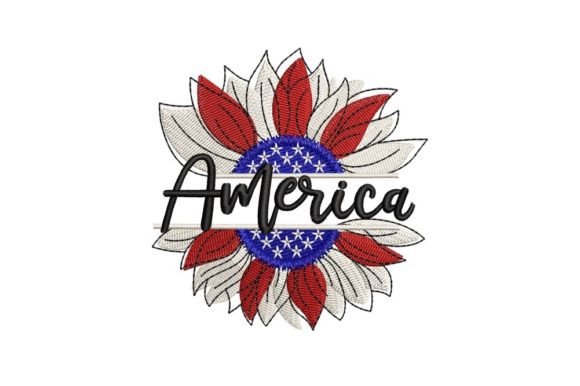
As an embroidery designer who has spent years refining digital files for commercial production, I approach every new design asset with a critical eye. We aren’t just looking for something that looks pretty on a screen; we are looking for viability in the hoop. Today, I am reviewing the American Flag with Sunflower, a patriotic embroidery design that merges national pride with organic beauty. This piece is described as featuring a vibrant American flag shaped like a lovely sunflower, intended for t-shirts, hats, and bags. But does it hold up when scaled down for branded patches, aprons, or boutique merchandise? Let’s dive into the practical application of this design for small business owners and merch creators.
First Impressions and Visual Personality
The American Flag with Sunflower immediately strikes a balance between bold patriotism and rustic charm. Visually, it feels friendly yet professional. The fusion of the stars and stripes with the petals of a sunflower creates a unique silhouette that stands out in a sea of standard flag designs. For a handmade brand or a local café, this design offers a softer, more approachable take on Americana. It doesn’t scream aggressive nationalism; instead, it whispers of summer festivals, backyard gatherings, and community spirit.
From a branding perspective, this design works exceptionally well for businesses that want to appear established but warm. Whether you are running a florist shop, a bakery, or a pet brand, the sunflower motif adds a layer of elegance and natural beauty that complements the classic red, white, and blue palette. It feels premium without being overly formal, making it versatile for various product categories including custom apparel and tote bag designs.
Real-World Business Applications
When evaluating a machine embroidery design for commercial use, I always ask: where will this live on the final product? The American Flag with Sunflower shows strong potential across several key areas:
- Embroidered Patches: This is perhaps the strongest use case. The circular or flower-like shape of the design translates beautifully into a patch format. These can be used as back-of-cap details, sleeve accents, or even attached to denim jackets as statement pieces. The distinct outline of the sunflower provides a clear boundary for trimming, which is crucial for high-quality patches.
- Apron Embroidery: For bakeries, coffee shops, or craft studios, placing this design on the chest of a white or navy apron creates an instant brand identifier. It signals quality and attention to detail to customers walking through the door.
- Cap Embroidery: The compact nature of a sunflower-flag hybrid makes it ideal for cap fronts. Unlike wide rectangular flags that can distort on curved surfaces, a floral-based design often sits flatter and maintains its integrity better on structured caps.
- Tote Bag Design: A single, centered placement on a canvas tote bag allows the embroidery file to breathe. This is perfect for event merch or customer gifts, offering a tactile experience that prints cannot replicate.
- Product Packaging Accents: Consider stitching a small version of this design onto hang tags or garment labels. It elevates the unboxing experience and reinforces brand identity through texture and thread work.
Impact on Brand Identity and Customer Trust
In the world of small business merch, visual consistency is king. Using a high-quality digital embroidery file like the American Flag with Sunflower communicates professionalism. Customers associate embroidery with durability and value. When they see a well-stitched sunflower-flag motif, they perceive the product as a lasting keepsake rather than disposable fast fashion. This perception directly impacts buyer engagement and can justify a higher price point for your finished products.
Furthermore, the design supports a narrative of "Made in America" with a touch of artistic flair. For Etsy sellers and craft business assets, this storytelling element is vital. It helps differentiate your offerings from mass-produced competitors by adding a layer of handmade authenticity.
Critical Design Notes and Potential Pitfalls
While the concept is strong, execution is everything. As a designer, I must highlight specific areas where this design could fail if not handled with care. The following points are essential for avoiding costly production errors.
Size and Stitch Density Considerations
The most common mistake in embroidery is underestimating the minimum viable size. Because the American Flag with Sunflower combines two complex elements (flag details and flower petals), it likely contains a moderate to high stitch density. If you attempt to stitch this too small, the details will merge into a muddy blob.
I strongly advise testing the design at your smallest intended scale before committing to bulk production. Check if the individual stitches remain distinct. If the flag stripes and sunflower petals become indistinguishable, you need to simplify the design or increase the size. Always inspect the spacing between elements to ensure there is enough negative space for the thread to lay flat.
Fabric and Stabilizer Selection
The success of this design relies heavily on what lies beneath the fabric. For items like custom apparel such as t-shirts or lightweight hoodies, a cut-away stabilizer is often necessary to prevent puckering, especially given the likely density of the flag section. For structured items like caps or tote bags, tear-away or water-soluble stabilizers might suffice, but you must test for stability first.
Additionally, consider the fabric texture. Embroidering on highly textured fabrics like heavy tweed or loose-weave linen can cause needle deflection, leading to misaligned stitches. Smooth cottons, poly-cotton blends, and denim provide the best foundation for maintaining the crisp lines of both the flag and the flower.
Color Contrast and Thread Choice
The description mentions a "vibrant" flag, but how does this translate to thread colors? On dark uniforms or black hats, you will need bright, reflective threads to make the design pop. Conversely, on light fabrics, you must ensure the reds and blues don’t bleed visually into the background. I recommend creating a printable mockup or doing a physical sample using the exact thread colors you plan to purchase. Do not rely on the digital preview alone, as screen colors rarely match thread pigments perfectly.
Practical Pre-Production Checklist
Before you upload this design assets to your embroidery machine for client orders, run through this quick checklist:
- Black and White Test: View the design in grayscale. Does the contrast between the flag and the sunflower still read clearly? If not, adjust the thread colors.
- Hoop Size Confirmation: Verify that the total design dimensions fit comfortably within your standard hoops. Ensure there is adequate margin around the edges to avoid edge distortion.
- Commercial Licensing: This is non-negotiable. Confirm that you have the proper commercial license to sell finished goods made with this embroidery file. Many designers sell personal-use licenses only, which can lead to legal issues.
- Client Approval Mockups: Provide clients with realistic visuals of how the American Flag with Sunflower looks on their specific product. Manage expectations regarding thread sheen and texture.
- Wash Testing: If the product is intended for frequent washing (like staff uniforms), ensure the stitch direction and density can withstand repeated laundering without unraveling or fraying.
Final Verdict
The American Flag with Sunflower is a versatile and visually appealing choice for small business owners looking to add a touch of patriotic elegance to their merchandise. It bridges the gap between traditional symbols and modern, artisanal aesthetics. By paying close attention to stitch density, fabric compatibility, and proper licensing, you can turn this design into a best-selling item for your brand. Whether used for Independence Day promotions, summer events, or year-round branding, this design has the potential to enhance your finished product significantly. Just remember: always test, always verify, and always prioritize quality in your commercial embroidery projects.