Lucky Shamrock Embroidery Review
As an embroidery designer who spends countless hours digitizing and testing files for boutique collections, I am always on the lookout for designs that strike the perfect balance between seasonal charm and wearable elegance. When browsing Creative Fabrica embroidery options for my upcoming St. Patrick’s Day collection, the Lucky Shamrock design caught my eye immediately. It is not just another generic clover; it feels like a piece with genuine personality, ready to elevate everything from cozy hoodies to structured denim jackets.
In this review, I will break down why this machine embroidery design might be the missing piece in your apparel strategy, how it performs across different garment types, and what practical considerations you need to keep in mind before adding it to your production workflow.
First Impressions: Visual Mood and Design Strength
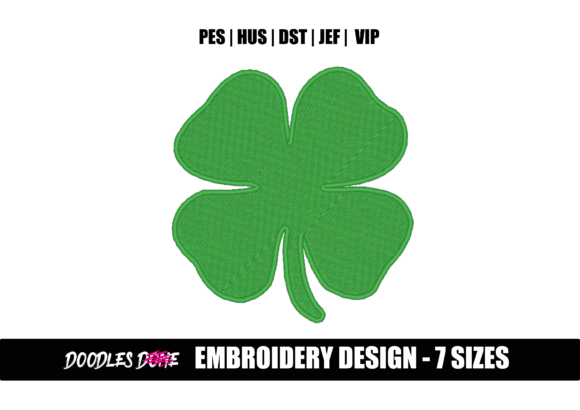
The first thing I noticed about Lucky Shamrock is its visual clarity. In a market saturated with busy, overly detailed graphics, this design manages to stand out through simplicity and clean lines. The stitching mood is playful yet sophisticated, avoiding the "crafty" look that can sometimes cheapen high-end apparel. It feels premium without being stiff, making it versatile enough for both casual streetwear and more refined boutique pieces.
For designers focused on brand identity, this is crucial. A custom apparel item needs to communicate quality instantly. The decorative strength of the shamrock is balanced—it has enough detail to look intricate up close but remains legible from a distance. Whether you are aiming for a rustic, feminine, or minimal aesthetic, this embroidery file adapts well. It avoids being too bold or aggressive, instead offering a trendy, approachable vibe that resonates with modern consumers looking for authentic, handmade products.
Applying Lucky Shamrock to Your Collection
One of the biggest challenges for Etsy sellers and small shop owners is creating a cohesive line that feels diverse yet unified. Here is how I see Lucky Shamrock performing across various apparel categories:
Sweatshirts and Hoodies
This is where the design truly shines. For a sweatshirt embroidery project, placing the shamrock on the chest offers a classic, understated look that appeals to a broad audience. However, don’t limit yourself to the front. I envision this design as a striking back print on oversized hoodies, perhaps centered just below the neckline for a modern streetwear feel. On pastel hoodies, the contrast can be soft and dreamy, while on neutral greys or blacks, it pops with vibrant energy. It also works beautifully as a sleeve accent, adding a subtle touch of luck without overwhelming the silhouette.
T-Shirts and Denim Jackets
For t-shirt embroidery, the design’s scale is manageable, allowing it to sit comfortably on the left chest or center front. But the real opportunity lies in denim. A denim jacket provides a sturdy canvas that can handle the texture of the stitches. Placing the shamrock on the back pocket or the upper back of a cropped denim jacket creates a boutique brand statement piece that stands out on social media.
Accessories and Lifestyle Products
Do not overlook non-apparel items. This embroidery design translates exceptionally well to tote bags, especially canvas ones. A single, well-placed shamrock on a tote adds a functional yet stylish element that customers love to carry. It also serves as excellent material for printable mockups. If you are digital selling or preparing listings for platforms like Etsy, having a high-quality visual of this design on various garments helps buyers visualize the final product, increasing conversion rates.
Strategic Placement and Where to Exercise Caution
While Lucky Shamrock is versatile, professional execution requires strategic planning. Not every placement is created equal. When considering small chest placement, ensure the design is scaled appropriately so it does not look lost or cramped. Dense stitch areas should be avoided near seams or zippers, as this can cause puckering or distortion.
Fabric choice is paramount. While fleece and cotton blends are ideal, be cautious with highly stretchy fabrics or ribbed materials. The tension of the embroidery thread can pull these fabrics, altering the fit of the garment. Similarly, dark garments require careful selection of thread colors. You must ensure there is sufficient contrast between the thread and the fabric to maintain the design’s integrity. Curved surfaces, such as the shoulders of a tee or the body of a hat, present a challenge; always test on similar garment fabric to ensure the hoop size accommodates the curve without distorting the shape.
Impact on Brand Value and Customer Trust
In the world of handmade business, presentation is everything. Using a high-quality digital embroidery file like Lucky Shamrock directly impacts buyer trust. Customers associate clean, precise stitching with professionalism. When a finished product looks polished, it reinforces the perception of value, allowing you to command higher prices. Consistent application of this design across your St. Patrick’s Day lineup builds product recognition, helping your small shop product stand out in a crowded marketplace.
Furthermore, engaging content drives sales. High-resolution images of the finished product on lifestyle models—think cozy autumn outfits paired with the hoodie—create an emotional connection. This commercial embroidery asset is not just a logo; it is a storytelling tool that enhances customer engagement and encourages shares on social media.
Practical Designer Notes for Production
Before you rush into mass production, follow these essential steps to ensure success:
- Test on Scrap Fabric: Always run a test stitch-out on the exact fabric you plan to use. This reveals how the fabric texture interacts with the thread.
- Check Stabilizer Choice: The right stabilizer is critical. For heavy sweatshirts, you may need a cut-away stabilizer, while lighter tees might only require tear-away. Incorrect stabilization leads to puckering.
- Review Thread Contrast: Inspect your thread colors against the garment. Low-contrast combinations can make the design disappear.
- Confirm Hoop Size: Ensure your machine’s hoop size can accommodate the design dimensions. If the design is large, you may need to reposition it during hooping.
- Inspect Stitch Density: Verify that the stitch density is appropriate for the fabric weight. Too dense, and you risk fabric damage; too sparse, and the design looks thin.
- Compare Placement Options: Lay out multiple placement ideas on the actual garment before committing to avoid costly mistakes.
- Check Licensing: Most importantly, carefully review the Creative Fabrica product details and licensing terms. Confirm that you have the commercial rights to sell finished apparel made from this embroidery file. Licenses can vary, and compliance protects your business.
The Lucky Shamrock design is more than just a seasonal graphic; it is a versatile tool for any embroidery designer looking to expand their offerings. By understanding its strengths and respecting the technical nuances of embroidery, you can create a stunning, profitable collection that resonates with customers this St. Patrick’s Day.