Lollipop with Bow Embroidery Review
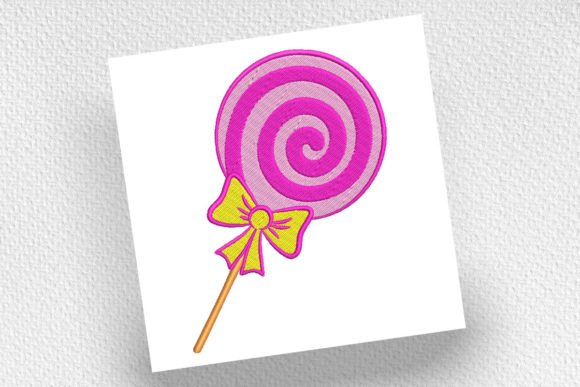
As an embroidery designer who has spent years translating digital concepts into tactile reality, I approach every new design file with a mix of curiosity and skepticism. We are not just looking for something "cute"; we are looking for commercial viability, aesthetic cohesion, and technical precision. Recently, I encountered the Lollipop with Bow machine embroidery design while scouting assets for a upcoming premium sweatshirt collection. This piece falls squarely into the Dessert category but carries enough decorative flair to transcend simple novelty. In this review, I will break down how this embroidery file performs when applied to real-world apparel, specifically focusing on boutique-grade garments and handmade product lines.
First Impressions: Mood and Aesthetic
The moment you open the Lollipop with Bow design, the mood is immediately established as playful yet refined. It avoids the trap of feeling overly childish by incorporating the bow element, which adds a touch of femininity and vintage charm. For a small clothing brand or Etsy seller, this distinction is crucial. You want your items to appeal to teenagers and young adults who appreciate nostalgia without looking like they belong in a toddler’s closet.
The layout is balanced, offering a central focal point that works beautifully for chest placements on hoodies and crewnecks. The stitching personality feels lively. It suggests a design that is bold enough to be seen from across a room but detailed enough to reward a closer look. When visualizing the finished product, I see this not just as a graphic print substitute, but as a textured accent that elevates the perceived value of the garment. It fits perfectly into a cozy seasonal aesthetic, particularly for autumn and winter drops where comfort meets style.
Application on Premium Sweatshirts and Hoodies
Sweatshirt embroidery presents unique challenges compared to lightweight tees. The fabric texture is thicker, and the drape is heavier. Here is how Lollipop with Bow navigates these variables:
- Neutral and Dark Fabrics: On heather grey or black sweatshirts, the design pops with high contrast. If you use bright thread colors, the lollipop becomes a vibrant statement piece. On darker fabrics, ensure your digitizer has included adequate underlay stitches so the design sits flat and does not pucker against the heavy cotton-poly blend.
- Pastel and Light Colors: On cream, blush, or lavender oversized hoodies, the design takes on a softer, more romantic vibe. This is ideal for creating a cohesive "cozy" collection. The bow detail shines here, adding a delicate touch that complements the gentle hues of the fabric.
- Oversized Fits: Because this is a standalone motif, it scales well. On an oversized hoodie, placing it slightly off-center on the left chest creates a modern, streetwear-inspired look. Alternatively, a larger placement on the back can serve as a primary branding element for your boutique brand.
Placement Strategies for Maximum Impact
Versatility is key for digital sellers and apparel decorators. The Lollipop with Bow embroidery file is not limited to the chest. Consider these applications:
- Sleeve Accents: A smaller version of the design placed near the cuff of a long-sleeve tee or hoodie adds a subtle surprise element. It encourages customers to engage with the product details.
- Hem Details: Placing the design low on the front hem can create a trendy, asymmetrical look popular in contemporary fashion.
- Back Necklines: A small, centered placement just below the collar offers a minimalist branding opportunity that feels exclusive and high-end.
Technical Evaluation for Commercial Use
For any professional, the technical specs determine whether a design makes the cut. While specific stitch counts and hoop sizes should always be verified in the product description, we can evaluate the general structural integrity required for commercial embroidery.
Stitch Density and Fabric Texture: A common issue with candy-themed designs is sparse stitching, which can look thin and cheap on thick fleece. A premium design requires sufficient density to stand out against the nap of the sweatshirt. The inclusion of the bow likely introduces varied stitch directions, which helps lock the design in place and adds textural interest. However, always test on your specific fabric type. If the design is too dense, it may stiffen the fabric; if too loose, it may lack definition.
Thread Color Contrast: The success of this design hinges on thread selection. Since the title mentions a "sweet pop of color," the digitizer likely anticipates bright or contrasting threads. Experimenting with metallic threads for the bow or gradient shading for the lollipop wrapper can elevate the finished product. Ensure your machine can handle the chosen thread weight, especially if using specialty threads for that extra boutique feel.
Stabilizer Choice: When embroidering on sweatshirts, tear-away stabilizers are standard, but for heavier garments, a cut-away might be necessary for longevity. The Lollipop with Bow design must have enough stability stitches to anchor itself during the high-speed stitching process. Improper stabilization can lead to shifting, ruining the alignment of the bow and lollipop.
Brand Identity and Market Appeal
In the crowded marketplace of online shops, visual recognition is everything. The Lollipop with Bow design serves as a strong visual asset. It communicates fun, sweetness, and attention to detail. For an Etsy seller, this translates to higher click-through rates on listings featuring clear, close-up photos of the embroidery texture.
Using this design allows you to build a narrative around your small shop product. You are not just selling a sweatshirt; you are selling a mood. The design supports lifestyle product photography effectively. Imagine a mockup preview showing a model laughing, wearing the hoodie, with the embroidered lollipop catching the sunlight. This kind of imagery drives customer engagement and trust.
Furthermore, the design enhances the handmade product value. Customers pay a premium for uniqueness. By using a specialized embroidery design rather than a generic screen print, you differentiate your inventory. It signals to the buyer that care was taken in the creation process, reinforcing brand identity.
Practical Considerations for Production
Before integrating Lollipop with Bow into your production line, there are a few practical steps to take:
- Check File Formats: Ensure the digital embroidery file includes formats compatible with your specific machines (e.g., .pes, .dst, .jef). The product description notes multiple formats, which is excellent for versatility across different studio setups.
- Test Hoop Size: Verify that the design fits within your standard hoop sizes for efficient workflow. If the design is large, you may need to rehoop, which increases labor time.
- Washing Durability: Embroidery on sweatshirts must withstand frequent washing. The design should be anchored securely to prevent unraveling. Always wash-test your samples to ensure the thread colors do not bleed and the stitches remain intact.
- Small-Size Readability: If you plan to offer children’s sizes, zoom in on the design at 50% scale. Ensure the bow and lollipop details remain distinct and do not merge into a blob when stitched smaller.
Final Verdict
The Lollipop with Bow machine embroidery design is a versatile, charming addition to any designer’s library. It strikes a balance between cute and sophisticated, making it suitable for a wide range of apparel, from casual hoodies to boutique merchandise. Its potential to enhance brand identity and product value is significant, provided it is executed with proper technique and attention to detail.
For the creative entrepreneur, this design offers a reliable way to add a signature touch to your collections. It is not merely a decoration; it is a strategic design asset that can help your custom apparel stand out in a competitive market. As you prepare your next drop, consider how this sweet pop of color can define your brand’s voice. Just remember to verify all technical specifications before full-scale production to ensure a flawless finished product every time.