Goldfish Embroidery Design Review
As an experienced embroidery designer, I spend my days evaluating digital assets not just for their aesthetic appeal, but for their viability in commercial production. When a new machine embroidery design hits the market, especially one marketed toward small business merchandise and branded patches, I look beyond the "cute factor." I ask: Does this hold up under high stitch density? Will it translate well to various fabric textures? And most importantly, does it strengthen brand identity or dilute it?
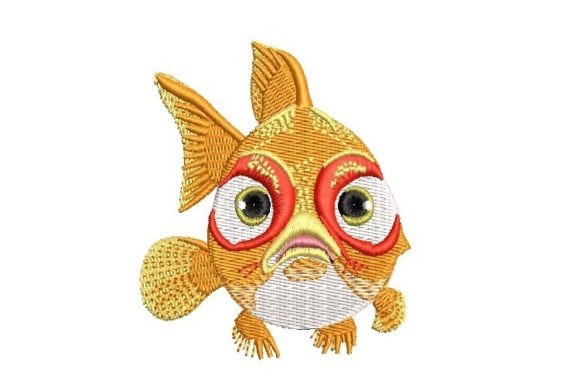
The Goldfish design is described as an adorable cartooned addition to your collection, promising a touch of fun and whimsy. While that description suggests a playful tone, my review focuses on its utility for serious entrepreneurs—from Etsy sellers and boutique owners to uniform decorators. This is not merely a decoration; it is a design asset that can define your product line if used correctly.
First Impressions: Whimsy Meets Professionalism
Upon initial inspection, the Goldfish design leans heavily into a friendly, approachable personality. The term "cartooned" implies simplified shapes and bold outlines, which is actually a strategic advantage for embroidery. Complex realism often fails in small-scale stitching, whereas stylized characters maintain clarity. For a small café, a handmade shop, or a creative studio, this design signals warmth and creativity without sacrificing professionalism.
In the context of small business merch, visual consistency is key. A design that feels too childish might alienate adult customers, but a goldfish motif, when executed with quality thread colors, strikes a balance between playful and premium. It works exceptionally well for brands that want to appear accessible yet curated. Whether you are branding a bakery’s aprons or a pet brand’s tote bags, the Goldfish offers a versatile visual anchor that invites engagement.
Real-World Business Applications
So, where does this embroidery file truly shine? Let’s look at specific use cases for small business owners and apparel decorators.
- Embroidered Patches: The Goldfish design is ideal for creating custom patches. These can be sewn onto denim jackets, backpacks, or hats sold as part of a limited-edition drop. The bold lines ensure the patch remains legible even when scaled down.
- Staff Uniforms and Aprons: For local businesses like florists or cafes, a subtle chest logo adds a layer of professionalism. Placing the goldfish on the left chest of a white or neutral-colored apron embroidery project creates a memorable staff uniform that customers will recognize instantly.
- Cap Embroidery: Structured caps require designs that fit within standard hoop limitations. If the Goldfish has a compact footprint, it serves as a perfect focal point on the front panel, offering a unique alternative to generic text-based logos.
- Tote Bag Design: Canvas totes are a staple for craft fairs and eco-conscious brands. The whimsical nature of the fish complements the casual vibe of canvas, making it a popular choice for customer gifts or event merchandise.
- Product Packaging Accents: Beyond apparel, consider embroidering smaller versions onto hang tags or garment labels. This tactile detail elevates the unboxing experience, signaling to the buyer that care was taken in the finished product.
Strategic Considerations and Limitations
No design is universally perfect, and as a designer, I must highlight where the Goldfish requires careful handling. Embroidery is a subtractive process in terms of flexibility; once stitched, changes are difficult. Therefore, placement and scale are critical.
Avoid placing this design on highly textured fabrics unless you have tested the stability first. Rough weaves can distort the fine details of a cartoon character, leading to a muddy appearance. Similarly, be cautious with stitch density. If the design relies on thin, delicate outlines, it may pucker on lightweight materials or break apart during frequent washing. This is particularly relevant for items like work shirts or baby clothes that undergo rigorous laundering.
Furthermore, consider the contrast of your thread colors against the base fabric. On dark uniforms, a light-colored goldfish may lack definition unless a heavy underlay is used. Always test on the actual fabric substrate before committing to a large batch. If the design includes tiny lettering or intricate scales, these elements may disappear at small patch sizes. In such cases, simplifying the design digitally before digitizing is often necessary.
Impact on Brand Identity and Customer Trust
Your merchandise is often the first physical interaction a customer has with your brand. High-quality embroidery conveys durability and attention to detail. Using a well-executed Goldfish design can enhance customer trust by showing that you invest in professional-grade branding.
When customers see consistent, clean stitching on a tote bag or cap, they associate that quality with the products inside the bag. It reinforces the idea that your brand values craftsmanship. For Etsy sellers and digital file buyers, this distinction is vital. A design that looks premium in print but falls apart in embroidery can damage reputation. Conversely, a robust commercial embroidery design builds long-term recognition.
Practical Designer Notes for Production
Before integrating the Goldfish into your production workflow, follow these essential steps to ensure success:
- Test in Black and White: Convert the design to monochrome to check contrast and spacing. If the shapes merge together in black and white, they will likely struggle in color.
- Verify Hoop Size: Ensure the design fits within your machine’s maximum hoop size, especially if you plan to embroider on curved surfaces like caps or sleeves.
- Use Proper Stabilizer: The right stabilizer prevents puckering. For stretchy knits, use cut-away stabilizer; for woven cottons, tear-away may suffice.
- Create a Printable Mockup: Before cutting fabric, generate a printable mockup to show clients or stakeholders. This allows for approval on placement and scale without wasting materials.
- Confirm Commercial Licensing: Always verify that your digital embroidery file license permits commercial use. Many designers restrict resale rights, so protecting your business legally is paramount.
- Inspect Thread Contrast: Choose thread colors that pop against your target fabric. Metallic threads can add luxury, but they require slower stitching speeds to prevent fraying.
In conclusion, the Goldfish design offers a charming yet functional option for small business owners looking to expand their merchandise lineup. By understanding its strengths in whimsical branding and respecting its technical limitations regarding stitch density and fabric choice, you can create high-value custom apparel and accessories that resonate with your audience. Treat it as a strategic design asset, test rigorously, and watch your brand presence grow.