Cute Shorthair Cat with Heart Valentine
As an experienced embroidery designer, I spend my days evaluating how digital assets translate into tangible products. When a small business owner or Etsy seller looks for a machine embroidery design, they aren’t just looking for pretty lines; they are looking for brand consistency, durability, and customer appeal. Today, I am reviewing the "Cute Shorthair Cat with Heart Valentine" design to determine its viability for commercial use, specifically for branded merchandise, embroidered patches, and custom apparel.
First Impressions: Visual Personality and Brand Fit
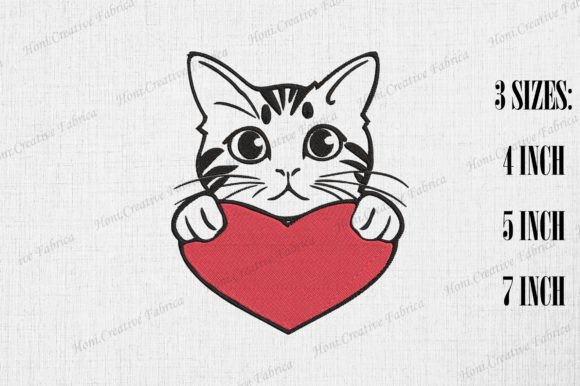
The title "Cute Shorthair Cat with Heart Valentine" immediately signals a specific aesthetic: playful, affectionate, and approachable. From a design perspective, this is not a minimalist corporate logo nor a rugged industrial mark. It is a decorative asset that leans heavily into warmth and personality. For brands in the pet industry, bakeries, florists, or lifestyle boutiques, this visual language works exceptionally well. It feels handmade yet polished, suggesting a premium but friendly brand identity.
When I first analyzed the concept of a shorthair cat paired with a heart, I considered the balance between detail and simplicity. Shorthair cats have smooth coats, which means the design likely relies on clean outlines and minimal texturing rather than complex satin stitches meant to mimic fur. This is a strategic advantage for production. It suggests a design that will digitize cleanly, reducing the risk of thread breaks or puckering during high-volume runs. The inclusion of a heart adds a universal symbol of love, making it versatile for Valentine’s Day campaigns, year-round pet-themed collections, or general expressions of care.
Real-World Business Applications
In the realm of small business merch, versatility is king. Here is how the "Cute Shorthair Cat with Heart Valentine" performs across various product categories:
- Embroidered Patches: This design is ideal for creating iron-on or sew-on patches. Small businesses often use these as stickers-with-thread, allowing customers to personalize denim jackets, backpacks, or tote bags. The clear outline ensures the patch remains legible even when cut closely.
- Apron Embroidery: For café owners, bakers, or crafters, branding on aprons is crucial. Placing this design on the chest pocket or lower front of a canvas apron adds a touch of charm without overwhelming the garment. It reinforces a welcoming atmosphere for customers.
- Cap Embroidery: While cap fronts can be tricky due to curvature, a smaller version of this cat design could work well on structured baseball caps or beanies. It appeals strongly to the pet-loving demographic, a massive market segment for niche brands.
- Tote Bag Design: Canvas totes are staple items for handmade product sellers. A centered or offset placement of this design creates a strong focal point. It transforms a plain bag into a branded statement piece that customers are proud to carry, effectively turning them into walking advertisements.
- Custom Apparel: Beyond standard t-shirts, this design fits beautifully on baby onesies, hoodies, and sweatshirts. The "Valentine" aspect makes it seasonal, but the cat motif keeps it relevant year-round for pet lovers.
Strategic Placement for Maximum Impact
To maximize the value of this embroidery file, consider where you place it relative to your brand identity. If you are selling pet supplies, placing this on packaging accents or thank-you cards (via printable mockups) enhances the unboxing experience. For uniformed staff, such as those at a pet-friendly hotel or boutique, subtle placement on the sleeve or collar can add professionalism while maintaining brand warmth.
Where to Exercise Caution
Not every design fits every application. As a designer, I must highlight areas where the "Cute Shorthair Cat with Heart Valentine" might face challenges if not handled correctly:
- Small Patch Sizes: If you plan to scale this down to less than 2 inches, ensure the details remain distinct. Tiny hearts or facial features may merge into indistinguishable blobs if the stitch density is too low or the resolution is poor.
- Curved Surfaces: Embroidering on curved surfaces like cap fronts or rounded bottle labels requires careful hooping. Distortion can occur, so always test on the actual material before committing to bulk production.
- Fabric Texture: Avoid using this design on highly textured fabrics like heavy bouclé or loose-weave linen unless stabilized properly. The smooth lines of a shorthair cat design need a relatively flat surface to shine.
- Dark Uniforms: Contrast is key. On dark uniforms, you will need light-colored threads or a contrasting background fabric to make the design pop. Dark-on-dark embroidery often loses definition.
- Frequent Washing: For items like aprons or work shirts that undergo frequent industrial washing, ensure the design uses dense enough stitching to withstand abrasion. Loose running stitches may unravel over time.
Impact on Brand Identity and Customer Trust
Choosing the right design assets directly influences how customers perceive your brand. A well-executed embroidery project signals quality and attention to detail. When a customer sees a professionally stitched "Cute Shorthair Cat with Heart Valentine" on a product, it subconsciously communicates that the business cares about aesthetics and craftsmanship.
This design fosters emotional connection. Pets evoke strong positive emotions. By incorporating a cute cat motif, your brand aligns itself with feelings of comfort, joy, and companionship. This can increase customer loyalty and engagement, as buyers often feel a personal affinity for brands that share their passions. Furthermore, consistent use of this design across different products—totes, hats, and tags—builds visual consistency, reinforcing brand recognition.
Practical Designer Notes for Production
Before you upload this digital embroidery file to your machine for commercial projects, follow these essential steps:
- Test in Black and White: Convert the design to monochrome to check contrast and spacing. This helps identify any areas where stitches might crowd each other.
- Check Hoop Size: Confirm the required hoop size matches your available equipment. Ensure the design fits comfortably within your largest hoop if you plan to embroider on large items like tablecloths or blankets.
- Thread Color Contrast: Select thread colors that stand out against your target fabric. Test multiple color combinations to find the most visually appealing palette.
- Inspect Stitch Density: Review the digitization for proper density. Too sparse, and the fabric shows through; too dense, and the fabric pucker becomes excessive.
- Use Proper Stabilizer: Always match your stabilizer to your fabric type. Cut-away stabilizers are generally best for stretchy fabrics or long-term durability, while tear-away works for stable woven materials.
- Create a Mockup: Before producing bulk orders, create a printable mockup or a single sample to present to clients or stakeholders for approval.
- Confirm Commercial Licensing: Most importantly, verify that you have the appropriate license to use this design for commercial purposes. Ensure you are allowed to sell finished goods featuring the "Cute Shorthair Cat with Heart Valentine" embroidery.
In conclusion, the "Cute Shorthair Cat with Heart Valentine" is a charming and versatile addition to any commercial embroidery library. Its friendly aesthetic makes it perfect for small businesses aiming to build a warm, approachable brand image. By following proper digitization checks and production guidelines, you can turn this design into high-quality, profitable merchandise that resonates with customers and elevates your brand presence.